


من
 خانه / خبر / اخبار صنایع / هنگام انتخاب یک کارخانه پلی استر مونوفیلامنت نیمه روشن چه چیزی را باید دنبال کنید؟
اخبار صنایع
هنگام انتخاب یک کارخانه پلی استر مونوفیلامنت نیمه روشن چه چیزی را باید دنبال کنید؟
2026-06-16
آشنایی با تک رشته پلی استر نیمه روشن
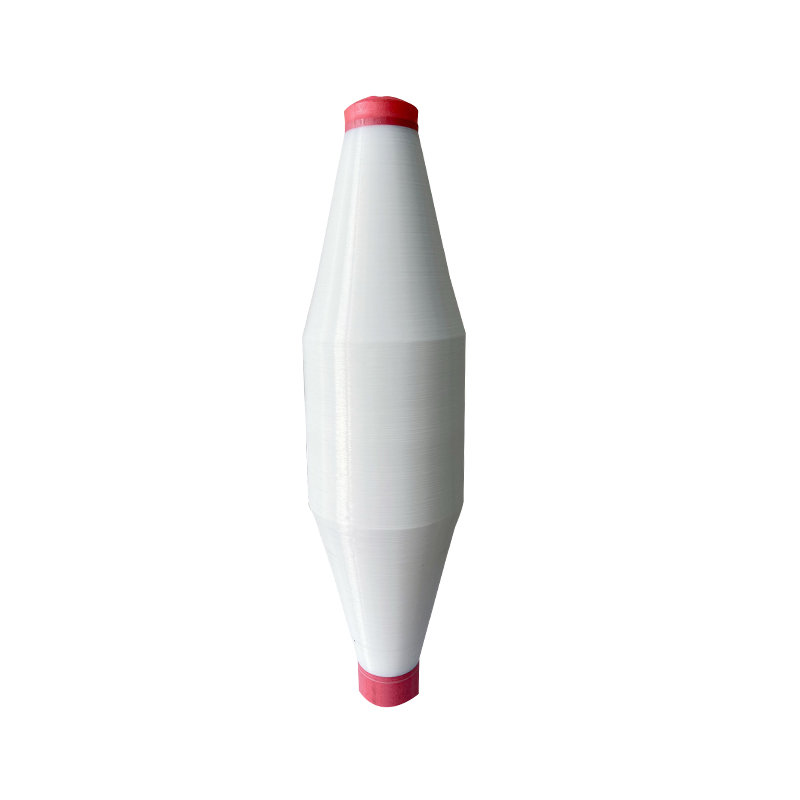
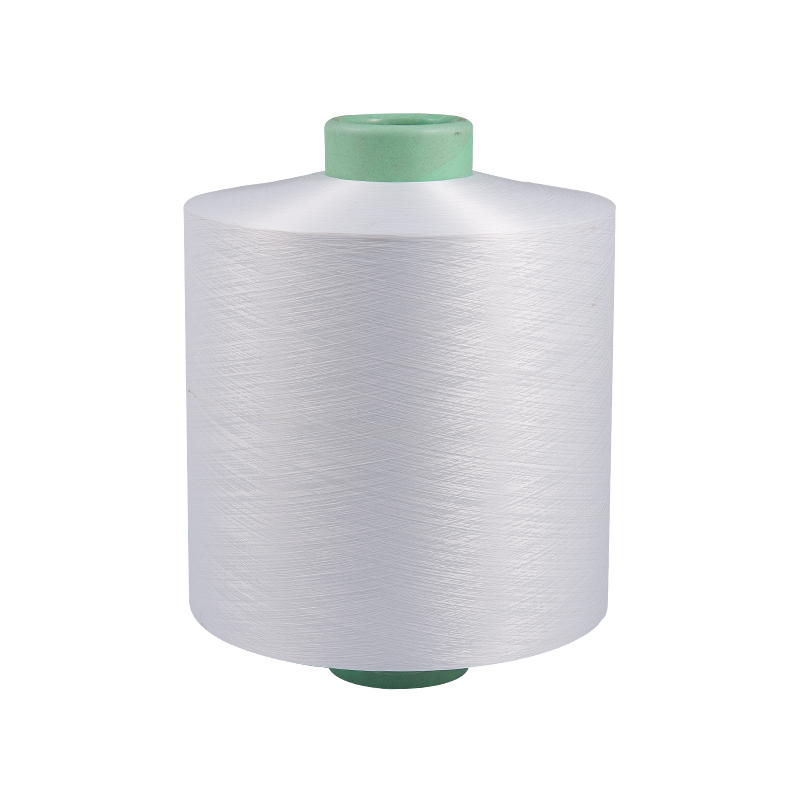
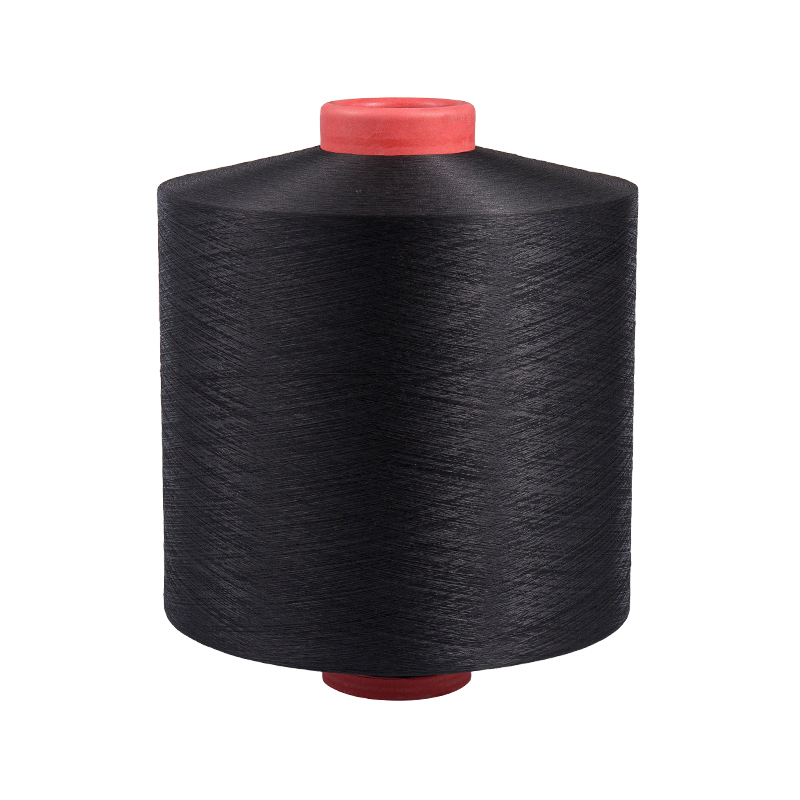
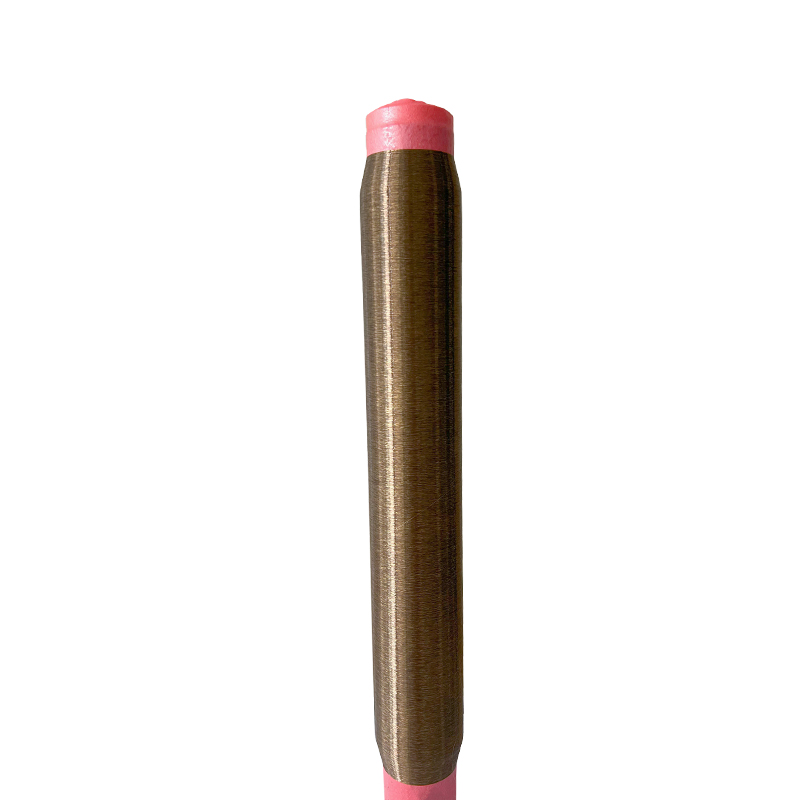
قبل از شروع جستجو برای شریک تولید مناسب، ضروری است که به وضوح درک کنید که چه چیزی مونوفیلامنت پلی استر نیمه روشن است و چه چیزی آن را از محصولات مرتبط متمایز می کند. مونوفیلامنت پلی استر یک رشته منفرد و پیوسته از پلی استر است که با قطر دقیق اکسترود شده است و در صنایع از جمله نساجی، فیلتراسیون، چاپ روی صفحه، کاغذسازی، بافندگی صنعتی و تولید خطوط ماهیگیری استفاده می شود. نام "نیمه روشن" به سطح خاصی از روشنایی نوری به دست آمده در طی فرآیند پلیمریزاسیون و چرخش اشاره دارد - بین انواع کاملاً روشن (با درخشش زیاد، از نظر نوری شفاف) و کاملاً مات (مات، با دی اکسید تیتانیوم) قرار می گیرد. مونوفیلامنت نیمه روشن حاوی مقدار کاهش یافته ای از دی اکسید تیتانیوم (TiO2) است که معمولاً در محدوده 0.1٪ تا 0.3٪ است، به آن درخشندگی نرمی می دهد که در کاربردهایی که نیاز به انتشار نور متوسط بدون بازتاب کامل یک رشته روشن دارد ترجیح داده می شود.
این تمایز در هنگام ارزیابی کارخانه ها اهمیت زیادی دارد. یک تولیدکننده متخصص در تک رشتههای روشن یا کاملاً کسلکننده ممکن است کنترلهای فرآیند، روابط منبع مواد خام یا تجهیزات چرخشی را برای بارگذاری دقیق TiO2 و ویژگیهای ضریب شکست مورد نیاز در گریدهای نیمه روشن کالیبرهشده نداشته باشد. خریدارانی که موفق به تأیید این موضوع نمیشوند معمولاً تعداد زیادی محصول ناسازگار، تنوع درخشندگی قابل مشاهده بین دستههای تولید یا رشتههایی با خواص مکانیکی که مشخصات را برآورده نمیکنند دریافت میکنند. درک دقیق دسته بندی محصول شما را در موقعیت بسیار قوی تری قرار می دهد تا از همان اولین تعامل با یک کارخانه بالقوه، سؤالات مربوط به صلاحیت را بپرسید.
جستجوی کارخانه خود را از کجا شروع کنید
جستجو برای یک کارخانه پلی استر تک رشته ای واجد شرایط باید از طریق چندین کانال موازی به طور همزمان انجام شود تا فهرست اولیه گسترده ای از نامزدها ایجاد شود که سپس می تواند به طور سیستماتیک از طریق صلاحیت محدود شود. تکیه بر یک کانال منبع یابی به طور چشمگیری خطر از دست دادن تامین کنندگان واجد شرایط بهتر یا هدایت شدن به سمت شرکت های تجاری را به جای تولید کنندگان واقعی افزایش می دهد.
بسترهای تجاری B2B
پلتفرم هایی مانند Alibaba، Made-in-China و Global Sources نقطه شروع مفیدی برای ایجاد فهرست اولیه از نامزدها هستند. هنگام استفاده از این پلتفرمها، بهطور خاص وضعیت «تولیدکننده تأییدشده» یا «تامینکننده ارزیابیشده» را فیلتر کنید و به دنبال فهرستهایی بگردید که شامل برگههای مشخصات محصول، عکسهای تجهیزات ماشینآلات و گزارشهای ممیزی کارخانه هستند تا تصاویر محصول عمومی. جستجو با استفاده از عباراتی از جمله "تک رشته پلی استر"، "مونوفیلامنت PET" و "مونوفیلامنت نیمه کسل کننده" علاوه بر "نیمه روشن" به عنوان اصطلاح بین تامین کنندگان متفاوت است. توجه داشته باشید که بخش قابل توجهی از فهرستها در این پلتفرمها به جای کارخانهها، شرکتهای تجاری را نشان میدهند. درخواست گواهی ثبت کارخانه و درخواست یک تور ویدیویی از خط تولید ریسندگی روشی مطمئن برای تأیید وضعیت سازنده در مراحل اولیه است.
نمایشگاه ها و نمایشگاه های صنعتی
نمایشگاههای تجاری بینالمللی الیاف نساجی و صنعتی - از جمله نمایشگاه بینالمللی ماشینآلات نساجی چین (CITME)، ITMA، و Heimtextil - تولیدکنندگان تک رشتهای پلی استر را از سراسر آسیا، اروپا و فراتر از آن گرد هم میآورند. ملاقات حضوری با نمایندگان کارخانه در نمایشگاههای تجاری به شما امکان میدهد دانش فنی آنها را ارزیابی کنید، نمونههای فیزیکی محصول را در محل ارزیابی کنید، و روابط شخصی ایجاد کنید که زیربنای مشارکتهای بلندمدت تامینکنندگان است. تولیدکنندگانی که در شرکت در نمایشگاههای تجاری بینالمللی سرمایهگذاری میکنند، معمولاً تعهد بیشتری به توسعه بازار صادراتی نشان میدهند و بیشتر به رعایت استانداردهای کیفیت بینالمللی و الزامات اسنادی عادت دارند.
انجمن های صنعت و ارجاعات
تماس با انجمنهای صنعتی مانند انجمن الیاف شیمیایی چین (CCFA) یا فدراسیونهای ملی صنعت نساجی در تایوان، هند و کره جنوبی - همه کشورهای تولیدکننده پلیاستر مونوفلامنت قابل توجه - میتواند به کارخانههایی با اعتبار تولید معتبر ارجاع دهد. علاوه بر این، پرسیدن در شبکه حرفه ای شما - به ویژه خریداران، مدیران تدارکات، یا مهندسان در صنایع مجاور مانند فیلتراسیون، کاغذسازی یا منسوجات فنی - اغلب توصیه های کارخانه را بر اساس تجربه واقعی تولید نشان می دهد که هیچ فهرست پلت فرم تجاری نمی تواند تکرار کند.
معیارهای فنی کلیدی برای ارزیابی قابلیت کارخانه
هنگامی که فهرست اولیه کارخانههای کاندید را جمعآوری کردید، فرآیند احراز صلاحیت به ارزیابی قابلیت تولید واقعی آنها در برابر الزامات خاص پلیاستر مونوفیلامنت نیمه روشن شما تغییر میکند. این ارزیابی فنی باید برای همه نامزدها ساختار یافته و سازگار باشد تا امکان مقایسه معنادار را فراهم کند.
| معیار ارزیابی | چه چیزی را تأیید کنید | چرا اهمیت دارد |
| قابلیت بازه قطری | تأیید کنید که کارخانه میتواند قطر مورد نیاز شما (مثلاً 0.05 میلیمتر تا 2.0 میلیمتر) را با تلورانس 2% ± یا کمتر تولید کند. | سازگاری قطر به طور مستقیم بر عملکرد پردازش پایین دست تأثیر می گذارد |
| مشخصات مقاومت کششی | درخواست دادههای آزمایشی نشاندهنده استحکام (cN/dtex) و کشیدگی در هنگام شکست برای درجه نیمه روشن | خواص مکانیکی باید با الزامات بارگذاری برنامه کاربردی نهایی مطابقت داشته باشد |
| کنترل بارگیری TiO2 | بپرسید که چگونه محتوای TiO2 در طول تولید اندازهگیری و کنترل میشود (آزمایش درون خطی یا دستهای) | سطح درخشندگی ثابت بین قطعات تولیدی نیاز به کنترل دقیق شفاف کننده دارد |
| تامین مواد اولیه | تامین کننده تراشه PET را شناسایی کنید. خط مشی مواد باکره در مقابل مواد بازیافتی را برای درجه شما تأیید کنید | تغییر کیفیت مواد خام علت اصلی ناهماهنگی دسته به دسته است |
| پیکربندی خط چرخش | تعداد اکسترودرها، مشخصات اسپینر و راه اندازی خط رسم را بررسی کنید | پیکربندی تجهیزات محدوده قطر و توان عملیاتی را که کارخانه می تواند به طور قابل اعتماد تولید کند را تعیین می کند |
| سیم پیچ و بسته بندی | کنترل کشش سیم پیچ، گزینه های وزن بوبین/مخروط و بسته بندی مانع رطوبت را تأیید کنید | سیم پیچ ضعیف باعث شکستن رشته در باز کردن پایین دست می شود. بسته بندی نامناسب باعث جذب رطوبت می شود |
سیستم های مدیریت کیفیت و گواهینامه های مورد نیاز
زیرساخت مدیریت کیفیت یک کارخانه، پروکسی قابل اعتماد برای ثبات و قابلیت اطمینان خروجی آن است. کارخانههایی که سیستمهای کیفیت رسمی ندارند ممکن است محصول قابل قبولی را در یک روز خوب تولید کنند، اما فاقد کنترلهای فرآیند و چارچوبهای اقدام اصلاحی لازم برای حفظ انطباق با مشخصات در طول ماهها و سالهای عرضه هستند. هنگام ارزیابی کارخانجات تک رشته پلی استر نیمه روشن، گواهینامه ها و عناصر سیستم کیفیت زیر باید به عنوان الزامات پایه در نظر گرفته شوند تا پاداش های اختیاری.
- گواهینامه ISO 9001: این استاندارد سیستم مدیریت کیفیت شناخته شده بین المللی تأیید می کند که کارخانه رویه های مستندی برای کنترل تولید، بازرسی مواد دریافتی، مدیریت عدم انطباق و رسیدگی به شکایات مشتری دارد. گواهینامه فعلی ISO 9001 را درخواست کنید و اعتبار آن را با مرجع صدور گواهی تایید کنید.
- تجهیزات تست کیفیت در فرآیند: یک سازنده معتبر باید یک آزمایشگاه داخلی مجهز به دستگاههایی برای اندازهگیری قطر رشته (میکرومتر لیزری یا اندازهگیری نوری)، استحکام کششی (دستگاه آزمایش جهانی)، میزان رطوبت (روش کارل فیشر یا فر)، و درخشش (براقسنج یا اسپکتروفتومتر) راهاندازی کند. لیست تجهیزات آزمایشگاهی و سوابق کالیبراسیون را بخواهید.
- ارائه گواهی تجزیه و تحلیل (COA): هر قطعه تولیدی باید همراه با COA باشد که مقادیر اندازهگیری شده را برای تمام مشخصات مورد توافق شامل قطر، استحکام، ازدیاد طول، درخشش و هر پارامتر خاص کاربرد مانند انقباض حرارتی یا پرداخت سطحی مستند کند. کارخانههایی که نمیتوانند یا نخواهند COAهای خاص را ارائه کنند، برای زنجیرههای تامینی که نیاز به ردیابی دارند، مناسب نیستند.
- مطابقت OEKO-TEX یا REACH: برای نساجی، پوشاک یا کاربردهای مجاور در تماس با غذا، گواهی استاندارد OEKO-TEX 100 یا مطابقت مستند REACH تأیید می کند که تک رشته فاقد مواد مضر محدود شده است. این به طور فزاینده ای یک نیاز غیرقابل مذاکره از سوی مشتریان برند نهایی در بازارهای اروپا و آمریکای شمالی است.
- گواهینامه GRS (برای نمرات بازیافتی): اگر درخواست شما به محتوای PET بازیافتی اجازه یا نیاز دارد، گواهی استاندارد جهانی بازیافت (GRS) از کارخانه تضمین می کند که ادعاهای محتوای بازیافتی به طور مستقل تأیید شده و از طریق زنجیره تأمین قابل ردیابی هستند.
نحوه انجام ممیزی کارخانه موثر
برای هر کارخانه ای که به طور جدی به عنوان تامین کننده بلندمدت مونوفیلامنت پلی استر نیمه روشن در نظر دارید، ممیزی در محل کارخانه - یا ممیزی شخص ثالث تایید شده در شرایطی که سفر امکان پذیر نیست - یک مرحله ضروری قبل از تعهد به یک رابطه تامین است. یک حسابرسی با ساختار بسیار بیشتر از آنچه که هر پرسشنامه یا بررسی سندی می تواند آشکار کند، ارزیابی می کند.
بازرسی طبقه تولید
در طول مراحل تولید، وضعیت و تمیزی تجهیزات اکستروژن و ریسندگی، سازماندهی ذخیره سازی مواد خام (به ویژه شرایط نگهداری تراشه PET و کنترل رطوبت) و استانداردهای خانه داری در مناطق سیم پیچ و بسته بندی را رعایت کنید. تجهیزات به خوبی نگهداری شده، جریان مواد سازمان یافته، و محیط های کاری تمیز، شاخص های قابل اعتماد تیم مدیریت کارخانه هستند که کیفیت تولید را جدی می گیرند. به نحوه برخورد کارخانه با تغییر رشته بین قطرها یا سطوح روشنایی مختلف توجه ویژه ای داشته باشید - روش های پاکسازی نامناسب باعث آلودگی متقاطع می شود که منجر به درخشندگی خارج از مشخصات در محصول نیمه روشن شما می شود.
بررسی منطقه آزمایشگاهی و آزمایشی
در طول بازدید ممیزی خود، نمایش روش های آزمایش کارخانه را درخواست کنید. مشاهده کنید که آیا کارکنان کنترل کیفیت تجهیزات آزمایش را به درستی کار میکنند، آیا گواهیهای کالیبراسیون جاری و در هر دستگاه نصب شدهاند و آیا سوابق آزمایش بهجای ایجاد گذشتهنگر بهطور سیستماتیک نگهداری میشوند. بخواهید نتایج آزمایشهای کیفیت تراشه PET دریافتی را ببینید و آنها را با معیارهای پذیرش اعلام شده کارخانه مقایسه کنید تا بررسی کنید که بازرسی مواد دریافتی واقعاً انجام میشود نه اینکه صرفاً روی کاغذ مستند شود.
نمونه ارزیابی سفارش
حتی پس از یک ممیزی رضایت بخش، همیشه یک سفارش نمونه رسمی - معمولاً 5 تا 20 کیلوگرم بسته به نیازهای آزمایشی شما - قبل از ثبت اولین سفارش تجاری سفارش دهید. برگه مشخصات دقیق محصول شامل تمام پارامترهای ابعادی، مکانیکی و نوری را در اختیار کارخانه قرار دهید و با هر محموله نمونه COA درخواست کنید. اگر توانایی تست داخلی ندارید، نمونه ها را به طور مستقل توسط یک آزمایشگاه شخص ثالث معتبر آزمایش کنید و نتایج مستقل را با COA خود کارخانه مقایسه کنید تا دقت آزمایش و گزارش آنها را ارزیابی کنید. اختلاف بین مقادیر گزارششده توسط کارخانه و مقادیر اندازهگیری شده مستقل، علامت قرمز قابلتوجهی است که باید قبل از ادامه تحقیقات بیشتری را آغاز کند.
ارزیابی شرایط تجاری و قابلیت اطمینان زنجیره تامین
قابلیت فنی و سیستم های کیفیت برای یک رابطه ایده آل با تامین کننده شرایط لازم اما کافی نیستند. شرایط تجاری، پاسخگویی ارتباطی و قابلیت اطمینان زنجیره تامین به همان اندازه عوامل مهمی هستند که تعیین می کنند آیا یک کارخانه از نظر فنی می تواند واقعاً به عنوان یک شریک بلند مدت قابل اعتماد عمل کند یا خیر.
- حداقل تعداد سفارش (MOQ): تأیید کنید که MOQ کارخانه در هر قطر و هر سفارش با حجم خرید شما مطابقت دارد. کارخانههایی با MOQ بسیار بالا نسبت به نیازهای شما ممکن است سفارشهای شما را در دورههای اوج تولید از اولویت خارج کنند، و در نتیجه زمانهای تحویل را دقیقاً زمانی که بیشتر به تحویل مطمئن نیاز دارید افزایش میدهند.
- تعهدات زمان سرب: زمان های تولید معمولی را برای مشخصات مورد نیاز خود درخواست کنید و بپرسید که کارخانه چگونه سفارشات عجله را مدیریت می کند. کارخانهای با زمانهای تحویل شفاف و پیوسته قابل دستیابی - و سابقه تحویل بهموقع تأیید شده از طریق بررسیهای مرجع با مشتریان فعلی - بسیار ارزشمندتر از کارخانهای است که زمانهای کوتاهی غیرواقعی ارائه میدهد که هرگز در عمل برآورده نمیشوند.
- کیفیت ارتباط: سرعت پاسخ، عمق فنی و وضوح ارتباط را از اولین پرس و جو تا مرحله نمونه ارزیابی کنید. کارخانهای که تیم فروش یا فنی آن بهسرعت پاسخ میدهد، به سؤالات فنی دقیق پاسخ میدهد و به طور فعال مسائل بالقوه را علامتگذاری میکند، نشانگر قوی سازمانی است که به طور حرفهای مدیریت میشود که در هنگام بروز مشکلات در تولید، به طور مؤثر ارتباط برقرار میکند.
- شرایط پرداخت و ثبات مالی: شرایط پرداخت استاندارد برای روابط جدید تامین کننده معمولاً شامل 30٪ پیش پرداخت با مانده در برابر اسناد بارنامه است. کارخانههایی که درصدهای پیشپرداخت غیرمعمول بالایی را طلب میکنند یا قیمتهای بسیار تهاجمی را ارائه میکنند که به نظر میرسد با هزینههای مواد مغایرت داشته باشد، ممکن است خطرات مالی یا کیفی را به همراه داشته باشد که مستلزم بررسی دقیقتر است.
- تایید مرجع مشتری: اطلاعات تماس را برای دو یا سه مشتری فعلی که گریدهای مونوفیلامنت پلی استر نیمه روشن مشابه خریداری می کنند درخواست کنید و زمان صرف کنید تا مستقیماً با تیم های تهیه یا کیفیت آنها صحبت کنید. بازخورد واقعی مشتری در مورد قابلیت اطمینان تحویل، ثبات کیفیت و پاسخگویی به حل مشکل، بینش هایی را ارائه می دهد که هیچ ارائه یا ممیزی کارخانه ای نمی تواند آن را به طور کامل تکرار کند.
ایجاد یک مشارکت بلندمدت به جای یک رابطه تعاملی
موفق ترین روابط منبع یابی برای الیاف صنعتی خاص مانند تک رشته پلی استر نیمه روشن بر اساس درک عمیق متقابل به جای مذاکره قیمت خالص ساخته شده است. الزامات برنامه، نیازهای عملکرد نهایی و نقاط دردسر کیفیت را آشکارا با کارخانه انتخابی خود به اشتراک بگذارید – تامین کنندگانی که زمینه کامل نحوه استفاده از محصول خود را درک می کنند، موقعیت بهتری برای رسیدگی فعالانه به مسائل کیفیت، پیشنهاد بهبود مشخصات، و اولویت بندی سفارشات شما در صورت محدودیت ظرفیت دارند.
یک توافقنامه کیفیت رسمی ایجاد کنید که تمام مشخصات محصول، روشهای آزمایش، طرحهای نمونهبرداری و روشهای عدم انطباق را قبل از ثبت اولین سفارش تجاری به صورت کتبی مستند کند. برای بحث در مورد عملکرد تحویل، روندهای کیفیت و الزامات توسعه آتی، مرورهای منظم عملکرد را - به صورت سه ماهه یا شش ماهه - برنامه ریزی کنید. کارخانه هایی که شما را به عنوان یک شریک متعهد و ارتباطی به جای یک خریدار متمرکز بر قیمت می بینند، به طور قابل توجهی در بهبود فرآیند، ارتقاء تجهیزات و اولویت بندی ظرفیت سرمایه گذاری می کنند که به یک محصول دائما عالی برای زنجیره تامین شما تبدیل می شود.
نتیجه گیری
یافتن بهترین کارخانه پلی استر مونوفیلامنت نیمه روشن، فرآیندی ساختاریافته و چند مرحله ای است که به آماده سازی کامل، ارزیابی منظم و پیگیری مداوم پاداش می دهد. با ترکیب منابع اولیه گسترده در کانال های متعدد با صلاحیت فنی دقیق، ممیزی در محل یا شخص ثالث، آزمایش نمونه مستقل و بررسی دقیق تجاری، می توانید شرکای تولیدی را شناسایی کنید که نه تنها محصول قابل قبول را در اولین سفارش ارائه می دهند، بلکه تک رشته های نیمه روشن منطبق با مشخصات را در هر رشته بعدی ارائه می دهند. در دسته بندی مواد که سازگاری دسته به دسته مستقیماً بر عملکرد محصول یا فرآیند پایین دستی شما تأثیر می گذارد، صرف زمان برای یافتن و تأیید کارخانه مناسب یکی از سرمایه گذاری هایی است که عملکرد خرید شما می تواند بازدهی بیشتری داشته باشد.
با ما تماس بگیرید
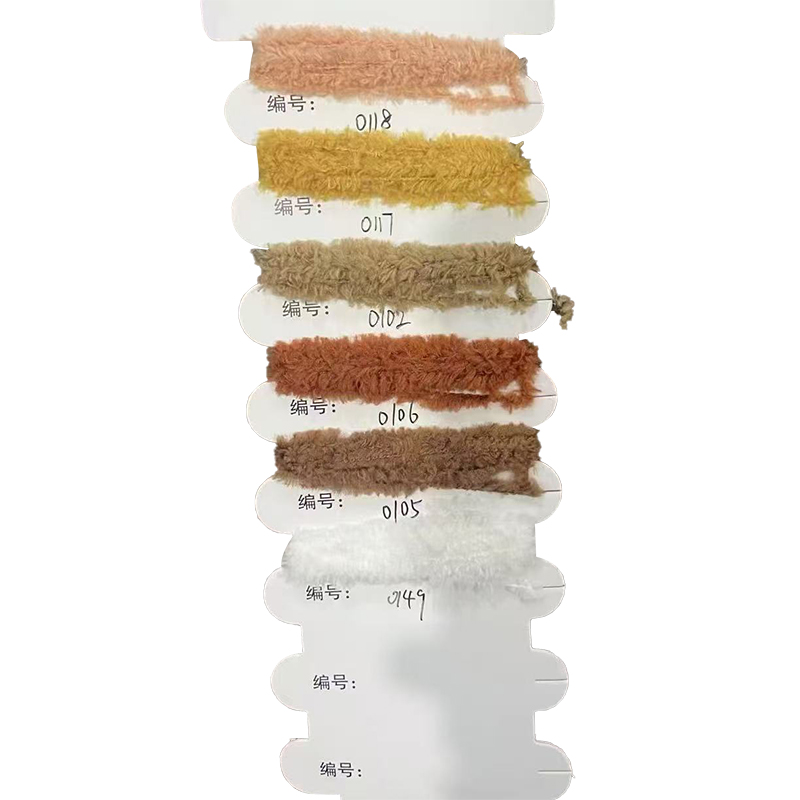
اگر نیاز به مشاهده نمودار رنگ Baoyi دارید ، نقل قول دریافت کنید یا سؤالاتی داشته باشید ، ما از شما دعوت می کنیم با پر کردن فرم زیر با ما تماس بگیرید.
در مورد
با ما تماس بگیرید
-
 شهر Shimen ، Tongxiang ، Jiaxing ، Zhejiang ، چین.
-
 +86-18357386869
-
 [email protected]
کپی رایت © شرکت نساجی Tongxiang Baoyi ، Ltd. کلیه حقوق محفوظ است. $ $
